
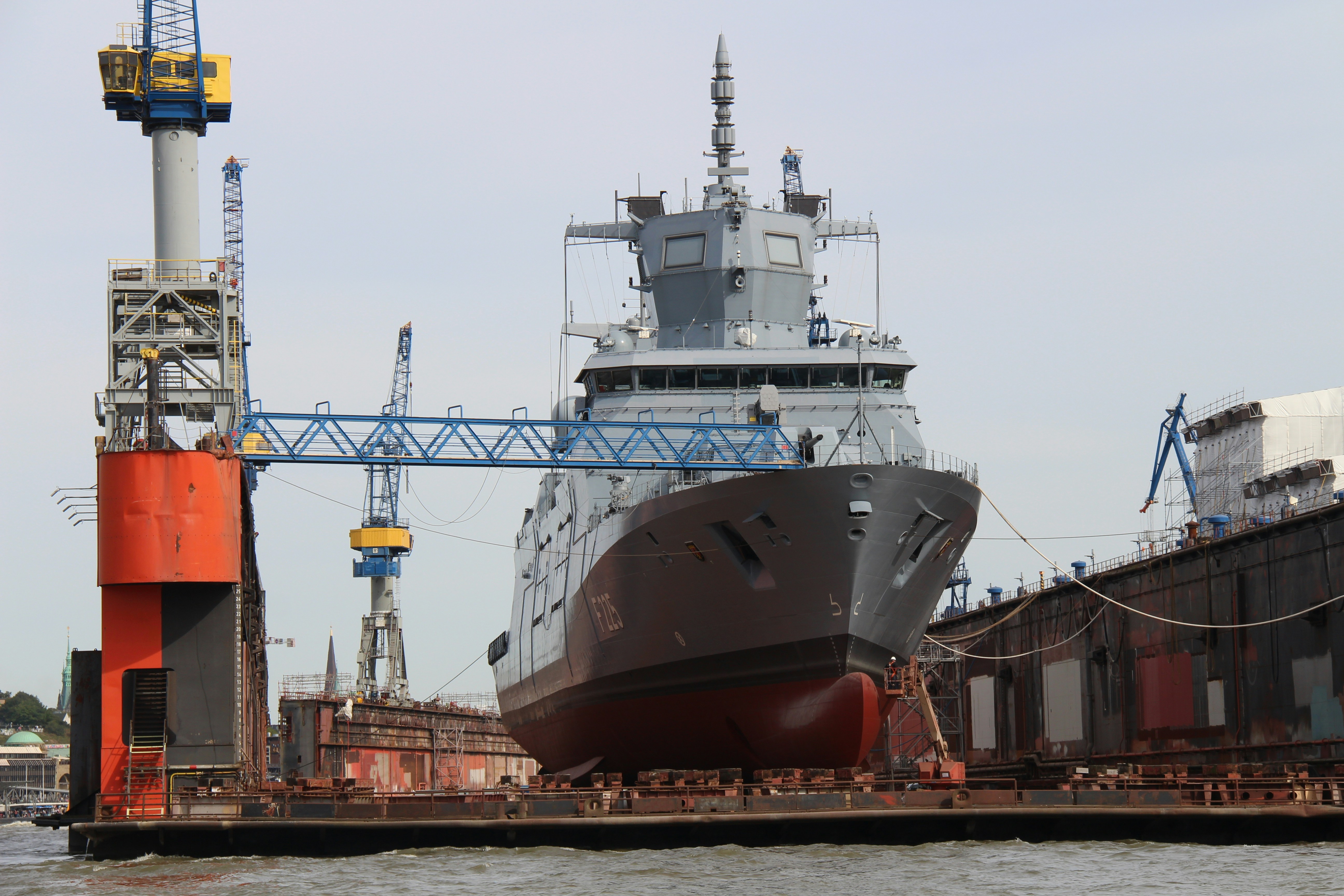

Introduction to the Diving Support Vessel Nistar
The Indian Navy is poised to enhance its operational capabilities with the commissioning of its first indigenous Diving Support Vessel (DSV), named Nistar. This significant event is scheduled to take place on July 18, 2025, at the naval dockyard situated in Visakhapatnam. The ceremony is expected to be graced by the Honorable Raksha Mantri, Shri Rajnath Singh, underscoring the importance of this milestone in India’s defense landscape. The introduction of Nistar represents a pivotal moment in the Indian naval domain, emphasizing the country’s commitment to self-reliance in defense production.
The DSV Nistar will serve critical functions for the Indian Navy, particularly in underwater operations, supporting diving missions, and search and rescue operations. Its commissioning reflects India’s advancing capability in indigenous defense manufacturing, aligning with the broader national initiative of Aatmanirbharta, which aims to foster self-sufficiency in various sectors, especially defense. The Nistar vessel not only embodies the technical advancements achieved by Indian shipbuilders but also symbolizes national pride and the relentless pursuit of technological excellence within the maritime sphere.
This indigenous DSV is expected to significantly enhance the operational efficiency of the Indian Navy’s diving units, providing superior support for underwater tasks. The development and commissioning of Nistar indicate a definitive shift towards homegrown solutions in military asset production, aiming to reduce dependency on foreign technologies and bolster national security. As India strives to improve its defense capabilities, the introduction of vessels like Nistar reinforces the nation’s resolve to invest in domestic capabilities and resources, thereby paving the way for a more robust maritime force.

Historical Significance and Legacy of Nistar
The commissioning of the Indigenous Diving Support Vessel, Nistar, symbolizes a significant moment in the Indian Navy’s historical evolution and operational capabilities. The legacy of Nistar can be traced back to its previous version—a submarine rescue vessel acquired from the Soviet Union, which provided invaluable service during critical humanitarian and military operations. This earlier incarnation enhanced the Indian Navy’s ability to conduct successful diving missions and respond to submarine emergencies, solidifying its role as a crucial asset in maritime safety.
Throughout its operational life, the earlier Nistar played a pivotal role in a range of diving support activities, contributing to the Indian Navy’s effectiveness in submarine rescue and recovery missions. Its robust design and state-of-the-art technology enabled complex underwater operations, thus fostering a culture of efficiency and readiness within naval ranks. The transition from the older vessel to the new, indigenous Nistar denotes a broader commitment to self-reliance in defense capabilities, aligning with India’s strategic goal of achieving ‘Atmanirbhar Bharat’.
The new Nistar embodies continuity in its operational legacy while incorporating modern technologies and capabilities tailored to meet contemporary naval challenges. Its motto, ‘Surakshita Yatharthta Shauryam’, translates to delivering rescue operations with precision and bravery, reflecting the inherent values and responsibilities of the Indian Navy. The vessel is expected to enhance the operational readiness of the Indian Navy, facilitating diving operations, underwater repair, and search-and-rescue missions far more effectively. Thus, the historical significance of Nistar lies not only in its past roles but also in its future potential, perpetuating a tradition of excellence that exemplifies the Navy’s enduring commitment to safeguarding national maritime interests.

Technical Specifications and Capabilities of Nistar
The Diving Support Vessel (DSV) Nistar represents a significant advancement in India’s maritime capabilities, particularly in the realm of underwater operations. With an overall length of approximately 120 meters and a beam of about 20 meters, Nistar is designed to carry out a variety of underwater missions. The vessel has a displacement of around 7,000 tonnes, making it a robust platform for sustained underwater activities. Such dimensions provide the necessary stability and operational capacity required for diverse missions.
Nistar is equipped with advanced diving systems, which include a saturation diving system capable of supporting deep-sea operations. This sophisticated system allows the vessel to deploy divers at depths of up to 300 meters, significantly enhancing the Indian Navy’s capabilities for submarine rescue missions. The integration of hyperbaric evacuation facilities ensures the safety and rapid extraction of personnel in emergency situations, a critical feature for maintaining operational readiness. Furthermore, Nistar is outfitted with remotely operated vehicles (ROVs) for deep-sea interventions and inspections, making it an invaluable asset for reconnaissance and salvage missions.
In terms of navigation and maneuvering, Nistar boasts dynamic positioning capabilities that enable precise positioning during diving operations. This technology allows Nistar to maintain its station effectively in challenging marine environments without the need for anchors, thereby ensuring safe and efficient operations in a variety of conditions. In addition to these functionalities, the vessel is equipped with state-of-the-art medical facilities, capable of addressing emergencies that may arise during underwater missions. These facilities include a well-stocked medical bay and a team of medical professionals, underscoring the strategic importance of Nistar in enhancing the overall safety and efficiency of the Indian Navy’s diving operations.
Impact on Indian Navy’s Future and Maritime Security
The commissioning of the Diving Support Vessel (DSV) ‘Nistar’ marks a significant milestone for the Indian Navy, as it enhances the country’s operational capabilities, particularly in the underwater domain. The introduction of this indigenous vessel underscores India’s commitment to bolstering its maritime security strategy within the Indian Ocean Region (IOR). It not only fosters the Navy’s readiness for various underwater operations, but also ensures a swift response to emerging maritime threats, thereby redefining the naval landscape of the region.
‘Nistar’ signifies a strategic shift towards self-reliance in defense procurement, a critical element of India’s maritime policy. With its advanced features, this DSV enhances the Navy’s capacity for deep-sea diving, salvage operations, and maintenance of underwater systems. This operational readiness is paramount for securing India’s maritime interests against various challenges such as piracy, smuggling, and potential conflicts in the IOR. Moreover, ‘Nistar’ plays a pivotal role in conducting humanitarian assistance and disaster relief operations, thereby reinforcing India’s stature as a regional maritime power.
The indigenous development of ‘Nistar’ also spotlights the growing involvement of Micro, Small, and Medium Enterprises (MSMEs) in the defense sector. Their engagement not only fosters innovation but also optimizes costs and enhances quality. The collaboration between larger defense firms and MSMEs opens avenues for knowledge transfer and technological advancement, which are vital for achieving self-sufficiency in defense manufacturing. This synergy significantly contributes to India’s national security objectives and supports the government’s initiative of ‘Atmanirbhar Bharat’ or self-reliant India.
In conclusion, the commissioning of ‘Nistar’ is a significant step towards strengthening the Indian Navy’s operational preparedness and reflects an evolving maritime security strategy in the Indian Ocean region. It emphasizes the importance of indigenous development and enhances India’s ability to navigate contemporary maritime challenges effectively.
Also Read: India’s Data Centre Industry Set to Witness ₹1.6 Trillion Investment Over Next Five Years